Blending Secure Payment Infrastructures with Incentive Programs in Mobile Slot and Table Game Environments
Ulrich Friedrich · Jun 20, 2026
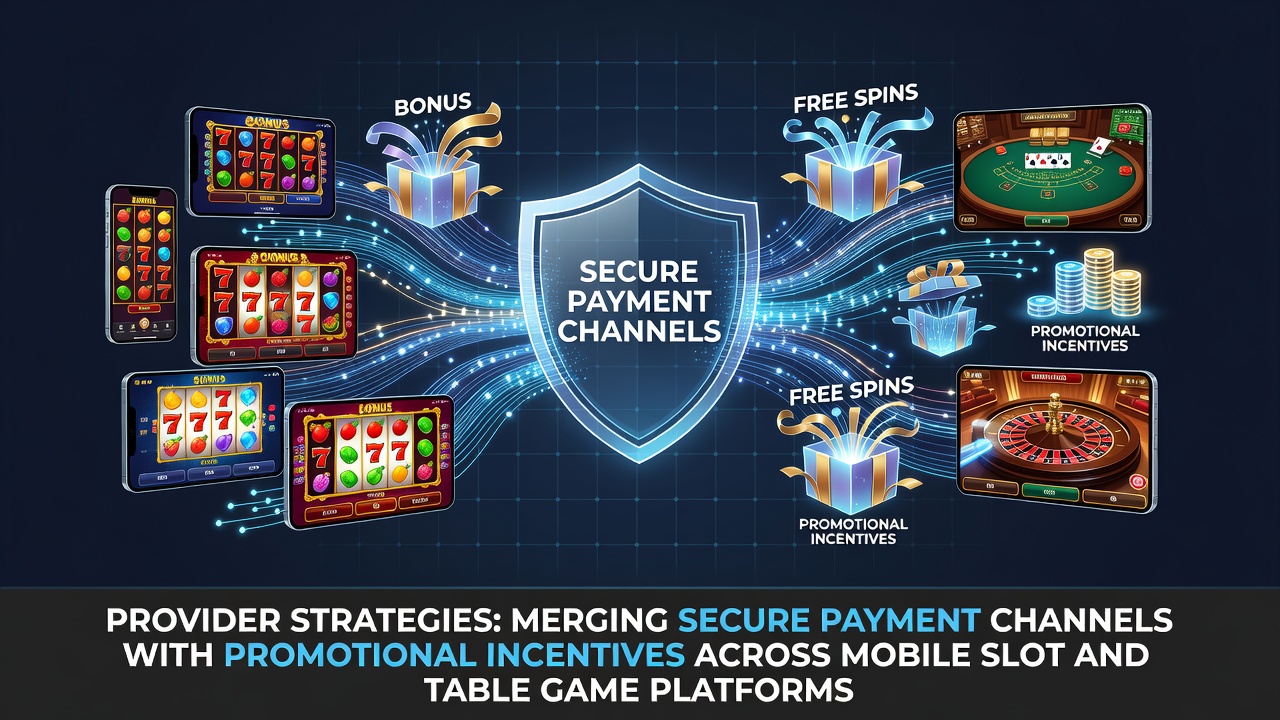
Blending Secure Payment Infrastructures with Incentive Programs in Mobile Slot and Table Game Environments
Providers in the mobile gaming sector have developed methods that connect encrypted payment systems directly to reward activation processes, allowing users to receive incentives such as deposit matches or free spins immediately after completing transactions on slot and table game applications. These approaches rely on tokenization techniques that replace sensitive card details with unique identifiers, which then trigger promotional logic in backend systems without exposing financial data during the reward distribution phase.
Core Components of Payment and Incentive Integration
Data from industry reports shows that encryption protocols like AES-256 combined with biometric verification create secure channels that process payments while simultaneously checking eligibility for bonuses across various game types. In June 2026, several providers updated their platforms to include real-time API connections between payment gateways and loyalty engines, ensuring that table game sessions on smartphones activate rewards based on transaction amounts without requiring separate account verifications.
One notable development involves multi-layered authentication where facial recognition or fingerprint scans authorize both the fund transfer and the application of promotional credits, reducing processing delays that previously interrupted gameplay flow. Observers note that this setup supports both slot mechanics, which often feature random reward triggers, and table games that require sequential betting patterns tied to incentive tiers.
Implementation Across Different Game Categories
Slot platforms utilize these merged systems to deliver time-limited offers that activate upon deposit confirmation, while table game environments apply similar logic to progressive jackpots or side bet promotions. Research indicates that providers employ machine learning models to analyze transaction patterns and adjust incentive delivery, maintaining compliance with regional standards set by bodies such as the Malta Gaming Authority.
Figures from the Canadian Gaming Association reveal increased adoption of such integrated solutions in 2025, with mobile table game usage rising alongside secure payment features that link directly to user reward profiles. And providers have incorporated geofencing capabilities that restrict promotional access based on location data collected during payment authorization, adding another security layer without fragmenting the user experience.
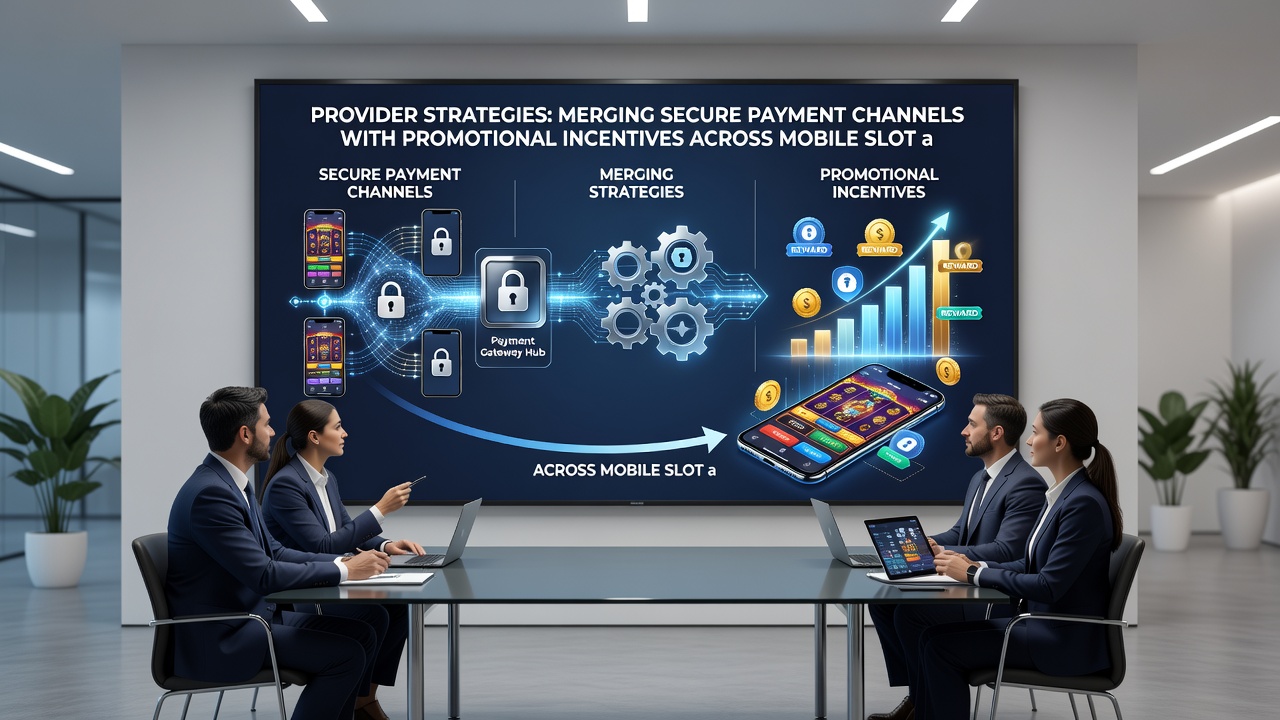
Technical Frameworks Supporting Combined Operations
Backend architectures often feature microservices that handle payment routing through established processors while routing incentive metadata to separate databases for audit trails. This separation allows for independent scaling of security measures and reward calculations, which becomes essential during peak usage periods on mobile networks. Studies from the University of Nevada, Las Vegas gaming research division have documented how these frameworks maintain transaction integrity across international servers that support both slot volatility models and table game probability engines.
Providers coordinate with financial institutions to embed promotional codes within payment confirmation messages, enabling instant application of bonuses once funds clear the secure channel. What's interesting is the way these systems handle edge cases like failed transactions, where partial rewards may still apply based on pre-authorized verification steps that occurred before the payment attempt.
Regional Adaptations and Compliance Measures
Regulatory environments in Australia and parts of Europe require documented trails for every incentive linked to a payment event, prompting providers to log metadata through immutable ledgers that also support anti-money laundering checks. According to reports from the Australian Communications and Media Authority, such logging practices have expanded in mobile formats to cover both slot and table game categories without adding visible steps for end users.
Device-level security enhancements, including hardware-backed keystores on modern smartphones, further protect the merged processes by isolating payment tokens from application-level reward scripts. Those who've examined platform updates note that this hardware integration reduces vulnerability windows during the brief period when incentives are calculated and applied following a deposit.
Conclusion
Providers continue refining these merged systems to align payment security protocols with the dynamic needs of promotional structures in mobile gaming. Evidence from multiple regulatory sources and academic analyses shows consistent evolution toward seamless connections that support both slot and table game experiences while upholding data protection standards across regions. The approaches documented through June 2026 emphasize modular designs that permit updates to either payment channels or incentive rules independently, ensuring ongoing adaptability in a mobile-first environment.