Building Confidence in Instant Mobile Gaming Through Advanced Transaction Protection and Reward Innovations
Morgan Peters · May 21, 2026
Building Confidence in Instant Mobile Gaming Through Advanced Transaction Protection and Reward Innovations
Developers working on registration-free mobile gaming platforms focus on layered security protocols that protect financial data while delivering seamless user experiences. These approaches combine encryption standards with device-based authentication methods, allowing players to move funds quickly without creating traditional accounts. Research from the University of Nevada's gaming technology lab shows that such systems reduce entry friction yet maintain compliance with evolving digital payment rules across multiple jurisdictions.
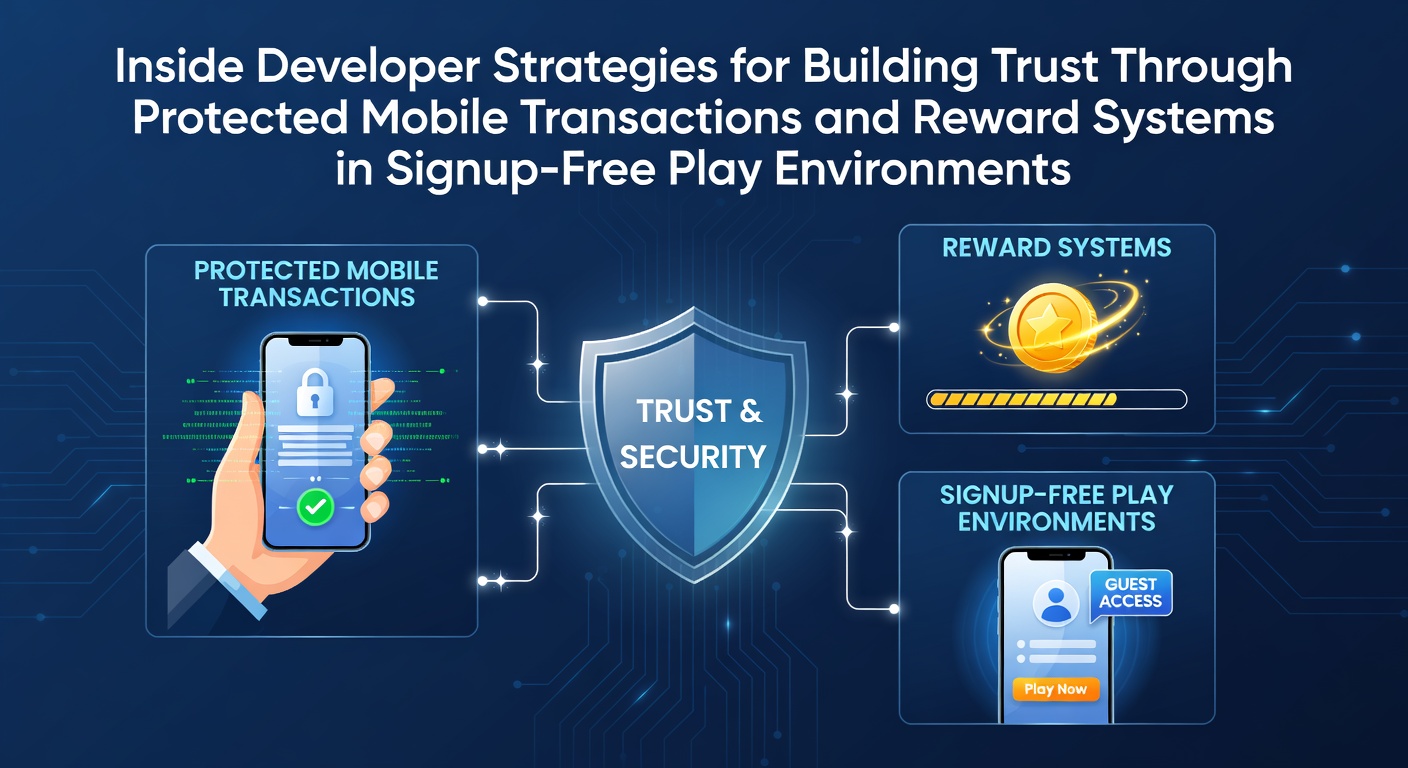
Protected mobile transactions often rely on tokenization techniques where sensitive card details never reach the gaming server directly. Instead, temporary tokens handle the exchange through certified payment processors. This setup limits exposure points during deposits and withdrawals. Observers note that developers integrate real-time fraud detection algorithms that scan for unusual patterns, flagging activity before funds transfer completes.
Core Security Frameworks in Frictionless Environments
Engineers prioritize end-to-end encryption paired with biometric verification options such as fingerprint or facial recognition on user devices. These measures create trust signals without requiring lengthy sign-up forms. Data indicates that platforms adopting multi-factor device checks see higher retention rates during initial sessions. Regulatory updates expected in May 2026 from the Malta Gaming Authority emphasize stricter audit trails for instant-access games, pushing developers to embed logging mechanisms that track every transaction step.
Reward systems in these environments frequently use temporary session identifiers tied to device hardware rather than personal profiles. Players accumulate bonuses through play volume or specific game milestones, with redemption handled via the same secure payment rails used for deposits. Studies from the Australian Institute of Criminology highlight how such structures discourage account sharing while still offering value to returning users.
Reward Mechanisms and Player Retention Tactics
Developers design progressive reward ladders that unlock based on gameplay metrics collected within single sessions. These ladders connect directly to protected wallets, enabling instant bonus credits once thresholds are met. What's interesting is the shift toward blockchain-anchored ledgers in some platforms, which provide transparent records of reward issuance without central databases storing player histories. This method aligns with growing demands for verifiable fairness in mobile play.

Take one project team that incorporated smart contract elements for bonus distribution. They found that automated payouts reduced manual oversight needs and built additional credibility through immutable transaction logs. Industry reports from the European Gaming and Betting Association reveal similar patterns among suppliers targeting North American and Asian markets in 2026.
Another key element involves transparent communication of security certifications directly within the app interface. Developers display badges from recognized testing labs alongside transaction windows, giving users immediate visual reassurance. This practice pairs well with educational tooltips explaining how funds move through protected channels during signup-free sessions.
Regulatory Alignment and Future Trends
Compliance teams collaborate closely with developers to embed jurisdiction-specific controls from the start of each project. In regions like New Jersey and parts of Canada, updated guidelines scheduled for rollout around May 2026 require enhanced monitoring of reward velocity to prevent misuse. Developers respond by building modular code that adapts these rules without disrupting the core user flow.
Those who've examined recent platform launches note increased use of AI-driven risk scoring that adjusts reward availability in real time based on transaction behavior. Such tools help maintain platform integrity while preserving the speed that defines signup-free play. External audits continue to verify these systems meet or exceed baseline security benchmarks set by international standards bodies.
Conclusion
Developer strategies in this space center on balancing speed with verifiable protection layers for both transactions and rewards. As mobile gaming expands into new markets through 2026, the focus remains on adaptable frameworks that satisfy regulators and support fluid player engagement. Continued refinement of these methods supports the growth of instant-access environments without compromising established trust protocols.