Congressional Discussions with Las Vegas Casino Unions Focus on AI Automation Risks to Employment
Anna Günther · Aug 22, 2026
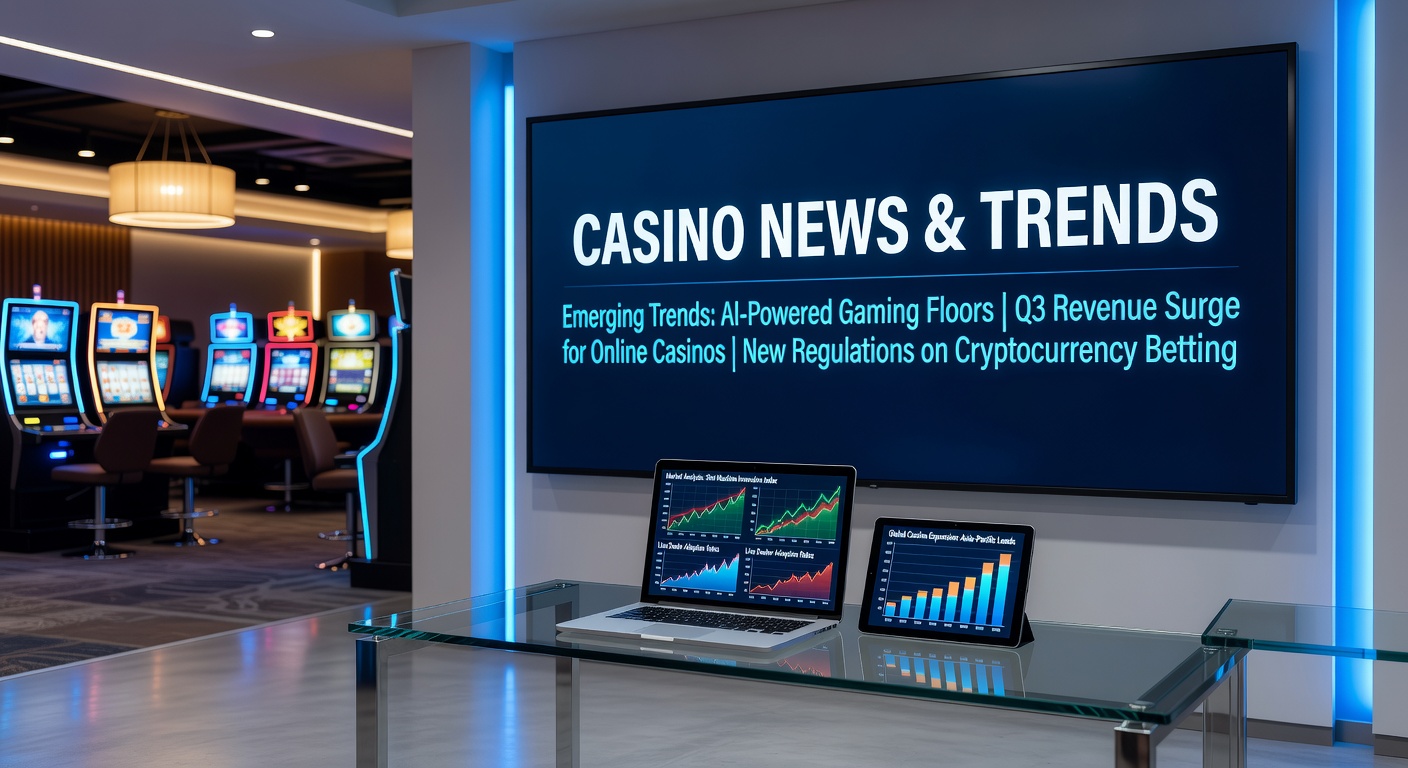
Congressional Discussions with Las Vegas Casino Unions Focus on AI Automation Risks to Employment
Members of Congress met with representatives from Las Vegas casino unions to examine concerns about artificial intelligence and automation displacing jobs in the gaming sector, and this gathering addressed specific technologies such as robotic arms demonstrated at recent trade shows that handle tasks like dealing blackjack while union members shared accounts of how these developments affect daily operations in major resorts.
Meeting Details and Union Perspectives
Union leaders presented data on workforce composition across Clark County properties, noting that thousands of dealers, pit bosses, and support staff currently perform roles that automated systems could replicate in controlled environments, and the discussion highlighted examples where robotic demonstrations occurred during industry events in 2026, prompting immediate questions about training programs and transition support for existing employees.
Participants reviewed case studies from other hospitality sectors where automation integration occurred gradually, and they examined timelines that allow for phased adoption rather than sudden implementation, while casino operators in attendance provided input on operational efficiencies that such technology might deliver without specifying exact deployment dates.
Robotic Technology Demonstrations and Dealer Reactions
A casino dealer who attended the trade show described observing robotic arms execute precise card distribution and chip handling sequences that mirrored human dealer movements, and this firsthand account illustrated how the technology performs consistently under simulated high-volume conditions without fatigue or error rates associated with extended shifts. Observers at the event noted that the systems required minimal human oversight once programmed, which raised questions among union representatives about long-term staffing requirements in table games departments.
Trade show footage shared during the congressional session showed the robotic units integrated with existing table layouts, and dealers explained that such equipment operates alongside traditional gaming protocols while maintaining regulatory compliance standards enforced by the Nevada Gaming Control Board. Union members emphasized that these demonstrations, though not yet in full commercial use, signal potential changes that could affect thousands of positions across Strip properties if scaled in coming years.
Broader Industry Context and Policy Considerations
The meeting forms part of ongoing federal and state-level reviews of emerging technologies in regulated industries, and lawmakers referenced reports from labor organizations that track automation trends in hospitality and entertainment venues, while union officials advocated for legislation requiring advance notice and retraining funds whenever automation replaces core job functions. Data from industry analyses indicate that table games account for a significant portion of employment in Las Vegas resorts, and automation could alter that balance depending on adoption rates through 2027 and beyond.
Representatives from multiple congressional offices participated, and they collected input on how federal workforce development programs might apply to casino employees facing technological shifts, with discussions extending to similar concerns in other states where gaming operates under state oversight. The session concluded with commitments to schedule follow-up briefings that include input from technology developers and regulatory agencies.
Future Outlook for Casino Roles
Industry observers note that automation discussions in gaming mirror patterns seen in manufacturing and logistics sectors where robotic systems handle repetitive tasks, and casino unions continue to monitor patent filings and vendor announcements that preview next-generation table game equipment. August 2026 events, including additional trade shows scheduled in Las Vegas, may feature updated prototypes that build on the robotic demonstrations already reviewed by Congress.
Policy analysts expect continued dialogue between lawmakers, unions, and operators to shape guidelines that balance innovation with employment stability, and these conversations will likely incorporate input from academic studies on labor market impacts in service industries. The single news event reflects wider patterns where technology adoption prompts structured conversations rather than immediate deployment across all properties.
Conclusion
The congressional meeting with Las Vegas casino unions provided a platform for direct examination of AI and automation effects on gaming employment, and the inclusion of specific robotic demonstration examples offered concrete illustrations of technologies under consideration. Participants exchanged information on workforce implications, regulatory frameworks, and potential support mechanisms, establishing a foundation for additional sessions that address these developments as they progress through 2026 and subsequent years. According to CDC Gaming reports, such discussions align with broader industry tracking of technological changes in casino operations.