Device Security Features Driving Rapid Bonus Access in No-Account Mobile Live Casino Play
Mara Coleman · Jun 25, 2026
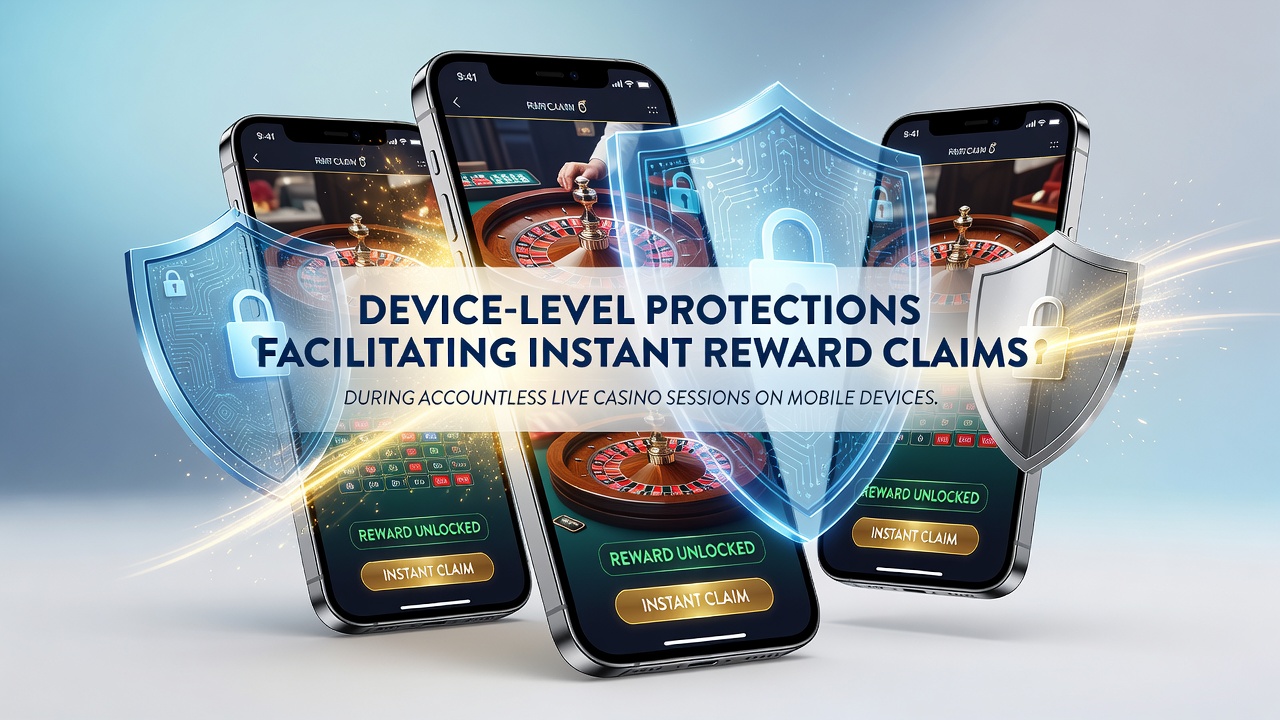
Device Security Features Driving Rapid Bonus Access in No-Account Mobile Live Casino Play
Device-level protections have become central to how operators deliver instant reward claims during accountless live casino sessions on mobile devices. These protections rely on hardware components such as secure enclaves, biometric sensors, and encrypted storage modules that verify user identity without requiring traditional account creation. Research indicates that mobile operating systems embed these features directly into the silicon, allowing sessions to begin and rewards to process through device-bound credentials rather than server-side profiles.
Hardware Foundations Supporting Instant Claims
Secure enclaves within modern chipsets isolate sensitive data from the main operating system. When a player initiates a live dealer session, the enclave handles authentication tokens that confirm eligibility for rewards. Data shows these tokens activate bonus mechanics in real time because verification occurs locally on the device before any network call reaches the operator. Observers note that this local processing reduces latency compared to cloud-based checks, which often introduce delays during peak hours.
Biometric readers add another layer. Fingerprint or facial recognition systems tie reward claims to physical device access. A player who unlocks the phone can immediately trigger a bonus round at a live table without entering credentials. Figures reveal that integration of these readers with payment rails allows funds and rewards to move through the same hardware-protected channel, maintaining continuity across deposit, play, and payout steps.
Encryption and Session Continuity
End-to-end encryption protocols running at the device level protect data streams between the mobile handset and live casino servers. These protocols encrypt both gameplay commands and reward instructions so that interception attempts yield no usable information. According to industry reports from the Australian Communications and Media Authority, such encryption standards have supported growth in registration-free formats by addressing concerns around data exposure during short, accountless sessions.
Session continuity benefits as well. When a player switches between live tables or claims multiple bonuses, the device maintains an encrypted state that survives brief network interruptions. This continuity means rewards remain claimable without restarting the verification process. Experts have observed that the approach suits mobile environments where signal strength varies frequently during travel or outdoor use.
Integration with Live Dealer Platforms
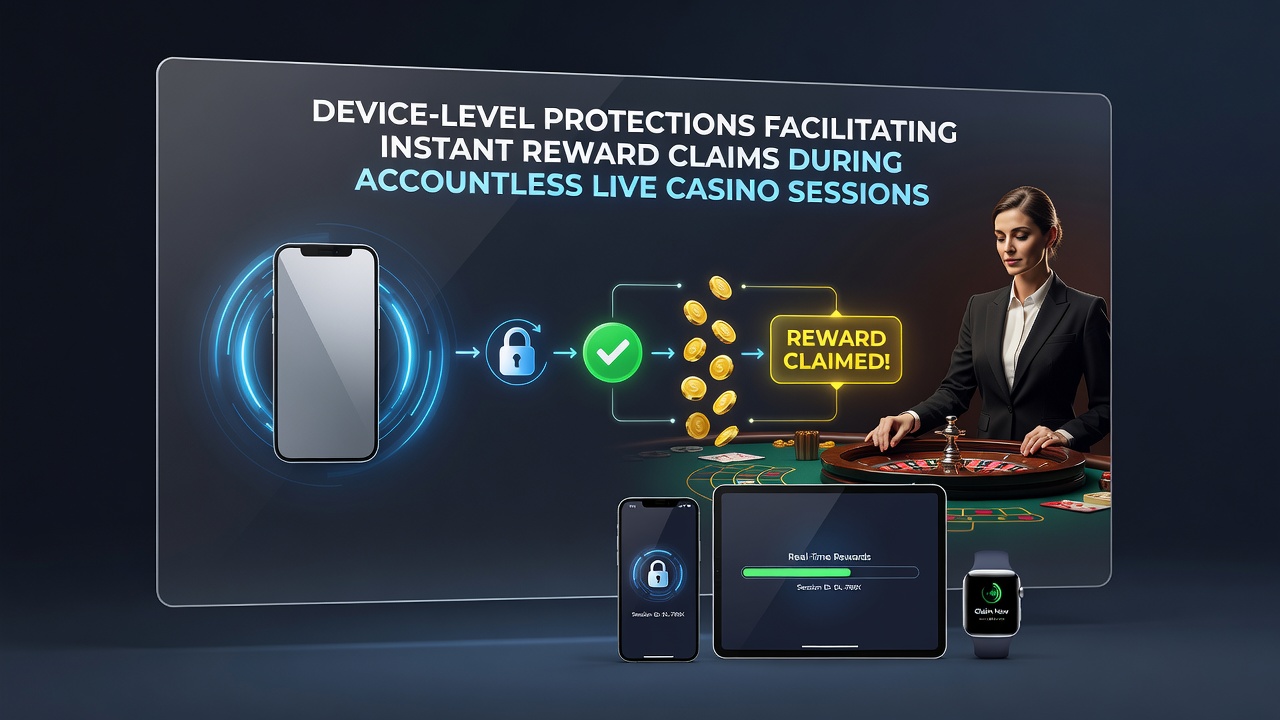
Live dealer platforms now interface directly with device security APIs to authorize reward triggers. When a bonus activates at the table, the platform receives a signed attestation from the device confirming that the hardware protections remain intact. This attestation replaces the need for repeated identity checks. Studies from Canadian research institutions have documented how such attestations enable seamless transitions between different live games while preserving reward eligibility.
Operators have adopted standardized APIs that expose only the minimum required data. The result is that reward claims execute within seconds of the qualifying action, such as achieving a specific hand total or placing a qualifying bet. Those who've examined transaction logs note that claim times average under three seconds on devices equipped with current-generation secure hardware.
Regulatory Context and June 2026 Developments
Regulatory bodies across multiple jurisdictions have begun referencing device-level security in their guidelines for accountless gaming. In June 2026, updates from the Ontario Lottery and Gaming Corporation outlined expectations for hardware attestation in mobile platforms operating without persistent accounts. These updates emphasize that reward systems must demonstrate cryptographic proof of device integrity before processing any claim. Similar language appears in guidance issued by the Malta Gaming Authority, which focuses on cross-border mobile play.
Compliance frameworks now require operators to log attestation results alongside each reward event. This logging supports audit trails without storing personal identifiers. Data from these frameworks shows increased adoption of accountless models in markets where device protections meet the stated technical thresholds.
Future Hardware Trends
Emerging chipsets incorporate additional secure processing units dedicated to gaming transactions. These units handle both reward calculations and payout authorizations locally when conditions allow. Research indicates that the shift reduces reliance on continuous server connectivity while preserving the integrity of live sessions. As adoption grows, device manufacturers continue to publish updated security specifications that operators can reference when certifying new mobile titles.
Conclusion
Device-level protections have established a technical pathway for instant reward claims during accountless live casino sessions on mobile devices. Hardware enclaves, biometric verification, and encrypted attestations work together to authenticate actions without traditional registration steps. Regulatory developments through June 2026 continue to shape how these protections integrate with live dealer environments, while ongoing hardware advances promise further reductions in claim latency. The combination supports operational models that prioritize speed and security within the constraints of mobile networks.