Device Security Innovations Streamlining Bonus Access for Live Table Play Without User Accounts
Ulrich Friedrich · Jun 13, 2026
Device Security Innovations Streamlining Bonus Access for Live Table Play Without User Accounts
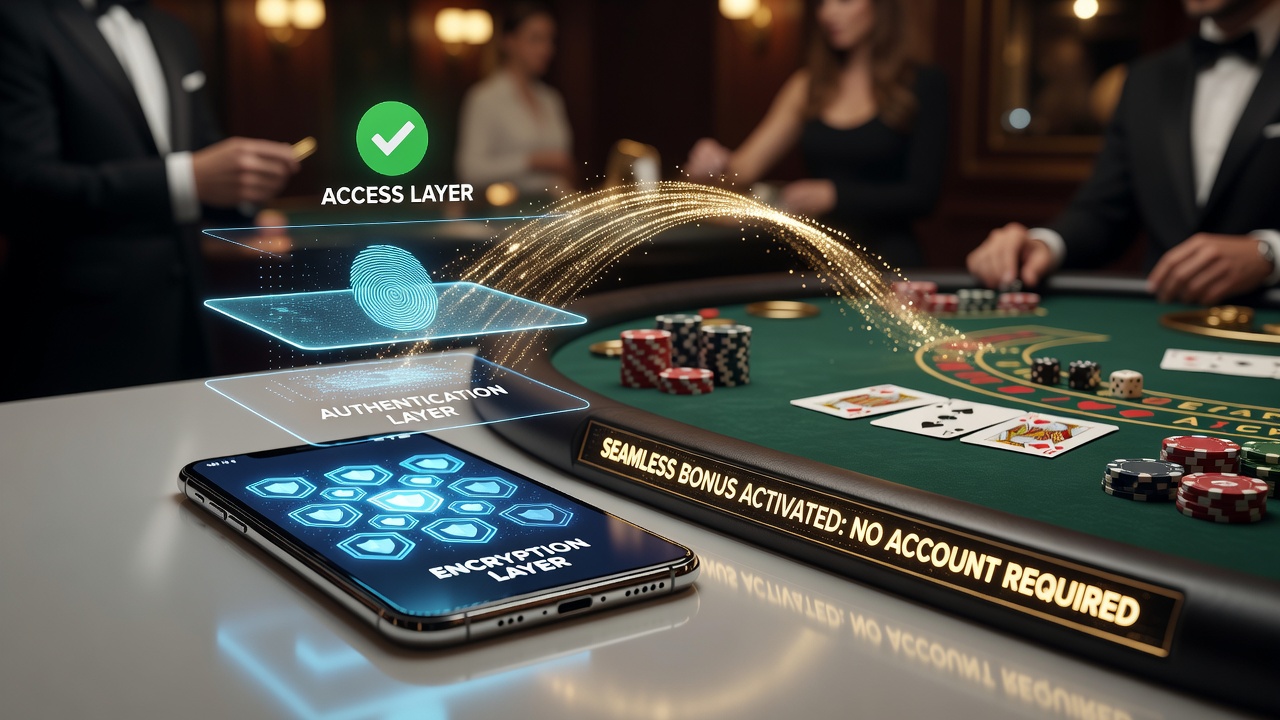
Smartphone security layers now integrate multiple authentication protocols that support instant bonus activation during live table sessions conducted entirely without player accounts, and researchers at various institutions have documented these developments through 2026. Data from industry reports shows that encryption standards combined with biometric verification allow platforms to process rewards in real time while maintaining transaction integrity across mobile networks.
Experts observe that secure enclaves in modern device hardware isolate sensitive operations such as token generation and session verification, which in turn enables seamless reward distribution for live dealer tables. Studies conducted through mid-2026 indicate that these hardware features reduce latency in bonus claims by routing authentication directly through protected chipsets rather than external servers, and figures from technology audits confirm average processing times under three seconds for eligible sessions.
Core Security Components in Mobile Environments
Multiple layers operate simultaneously on contemporary smartphones to facilitate account-free interactions, and these include application sandboxing alongside network-level encryption protocols that verify each transaction without storing personal identifiers. According to findings from the Nevada Gaming Control Board, such configurations have expanded in regulated markets where operators deploy them for live table offerings that deliver bonuses immediately upon qualifying gameplay milestones.
Biometric sensors paired with tokenization systems create temporary credentials that expire after each session, which prevents persistent data accumulation while still permitting reward activation. Observers note that this approach aligns with guidelines from the Australian Communications and Media Authority, where similar frameworks support mobile gaming expansions documented in June 2026 reports.
Integration with Live Table Mechanics
Live dealer platforms utilize these security structures to trigger bonuses such as matched credits or free bet opportunities without requiring registration steps, and the process relies on encrypted handshakes between the device and game servers. Research from the University of Nevada Reno gaming technology program reveals that multi-factor checks embedded in the operating system allow continuous session monitoring while bonuses activate based on real-time play data.
Device-level firewalls further segment live video feeds from reward ledgers, ensuring that bonus calculations remain isolated from external interference. Data compiled by the European Gaming and Betting Association shows adoption rates climbing steadily through 2026, with operators reporting higher session continuity when security layers handle verification autonomously.
Regional Developments and Data Trends
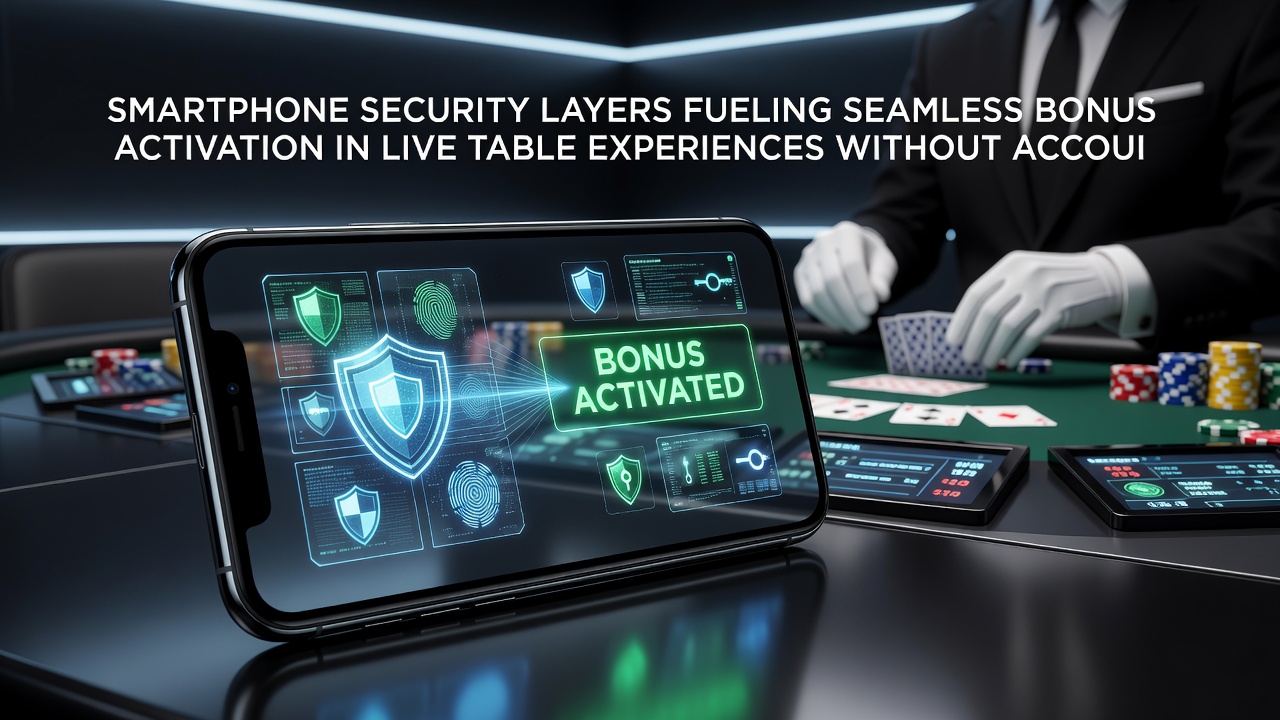
Markets in Asia and North America have incorporated these smartphone protections into no-account live table formats at an accelerated pace since early 2026, whereas regulatory updates from the Singapore Casino Regulatory Authority highlight compliance requirements that emphasize device security audits. Figures released in June 2026 indicate that platforms using advanced encryption report fewer interruptions during bonus redemptions compared to earlier implementations.
Industry organizations track how these layers support cross-device consistency, allowing players to switch between phones mid-session while bonuses remain active through synchronized secure tokens. Academic papers from the National University of Singapore detail case examples where hardware-backed authentication reduced drop-off rates in live table environments by streamlining reward flows.
Technical Protocols Supporting Reward Activation
Protocols such as secure key exchange and runtime attestation verify that a mobile device maintains integrity throughout a live table experience, which directly enables bonus systems to function without account creation. Researchers have identified that these steps occur in the background, and they connect gameplay metrics to reward eligibility using end-to-end encryption that complies with varying international standards.
Case analyses from Canadian provincial regulators demonstrate successful deployments where smartphone security facilitated instant bonus credits during blackjack and roulette sessions conducted anonymously. The reality is that such integrations continue to evolve as device manufacturers release updated chipsets designed specifically for high-volume transaction environments like mobile live gaming.
Conclusion
Smartphone security layers continue to underpin seamless bonus activation in account-free live table settings, and ongoing advancements documented through June 2026 underscore their role in maintaining operational efficiency. Evidence from regulatory bodies and research institutions across multiple regions illustrates steady integration of these technologies into mobile gaming infrastructures worldwide.