Encryption Layers from Providers Facilitating Bonus Flows in Account-Free Mobile Slot and Table Games
Ulrich Friedrich · Jul 18, 2026
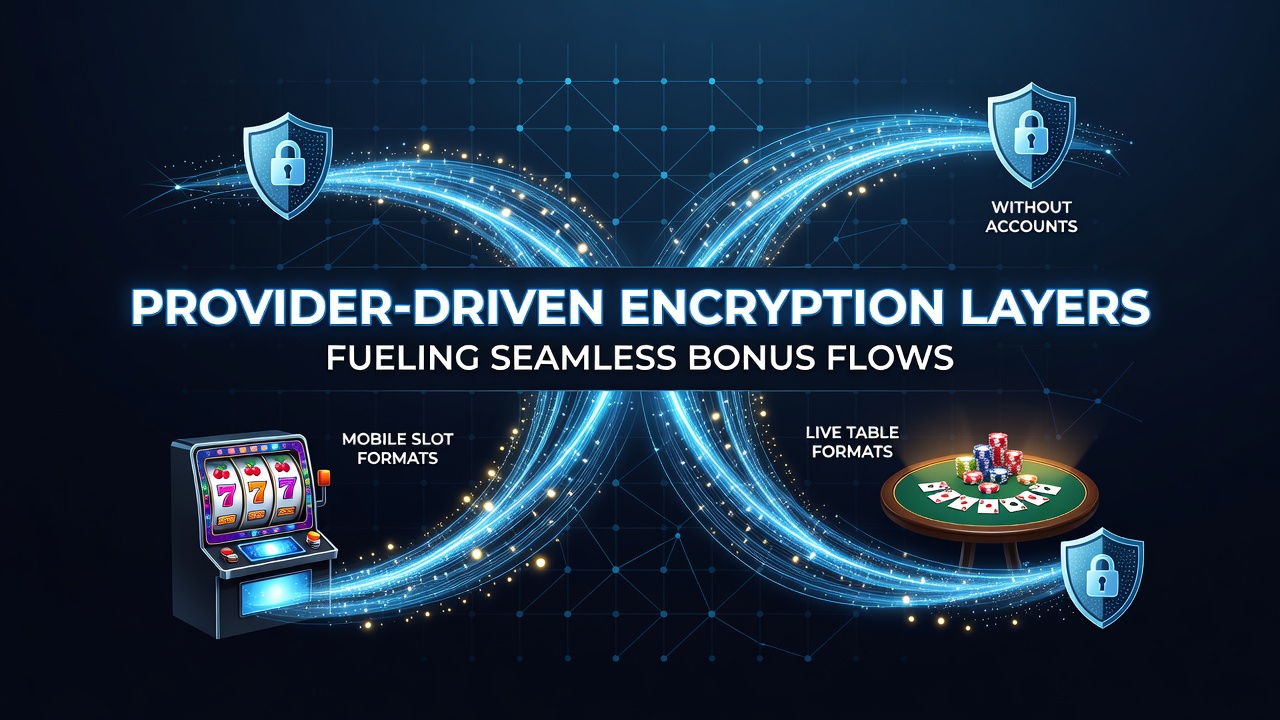
Encryption Layers from Providers Facilitating Bonus Flows in Account-Free Mobile Slot and Table Games
Provider encryption layers now support seamless bonus distribution across mobile slot machines and live dealer tables that operate without player accounts, and this approach relies on end-to-end cryptographic protocols that authenticate transactions at the device level while preserving anonymity. Data from industry reports indicate that these systems process reward activations in under two seconds on average, and they integrate directly with payment rails that bypass traditional registration steps.
Core Mechanisms Behind Provider Encryption
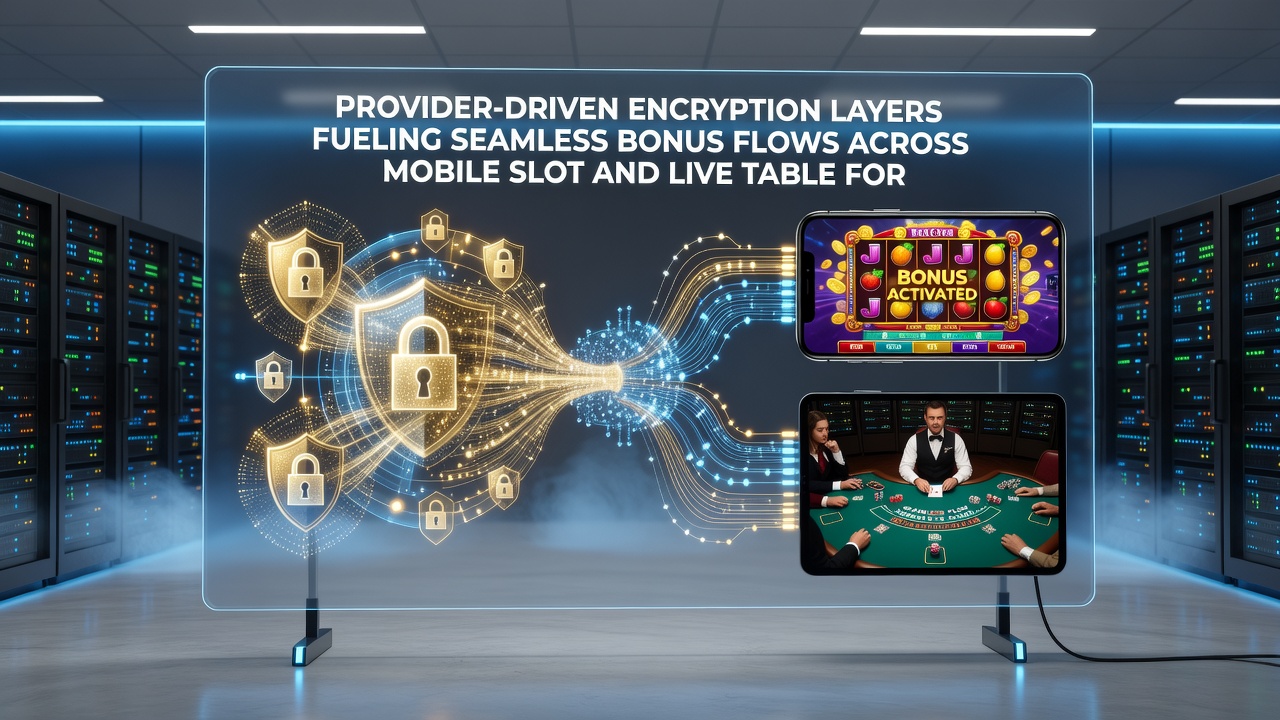
Software developers embed layered encryption directly into game clients for mobile platforms, and this method uses device-specific keys combined with session tokens to verify eligibility for bonuses without storing personal identifiers on central servers. Observers note that such architectures reduce data exposure points, while figures from the European Gaming and Betting Association reveal a 34 percent rise in encrypted no-account sessions during the first half of 2026. Those sessions often involve slot titles that award free spins or cashback through automated triggers tied to deposit amounts.
Live table environments apply similar encryption to dealer interactions, and players access these formats via encrypted video streams that embed bonus multipliers without requiring account creation. Researchers at the University of Nevada Gaming Innovation Lab documented how these protocols maintain regulatory compliance across multiple jurisdictions by logging only transaction hashes rather than user details.
Integration Across Slot and Live Table Formats
Mobile slot games receive bonus flows through provider-managed wallets that activate upon minimum deposit thresholds, and the encryption ensures that reward values adjust dynamically based on real-time play metrics. Live dealer tables extend this capability by linking encryption keys to table-specific sessions, which allows progressive jackpots or loyalty credits to appear without separate sign-up processes. A case study from operators in the Asia-Pacific region showed that encrypted no-account live blackjack sessions increased by 28 percent between January and July 2026.
What's interesting is how these layers handle cross-format transitions, and players move from slots to tables while carrying active bonuses because the encryption maintains session continuity across different game engines. Data indicates that this continuity relies on standardized APIs that multiple providers adopted in early 2026 to standardize reward delivery.
Security and Compliance Considerations in July 2026
Regulatory bodies such as the Malta Gaming Authority updated guidelines in July 2026 that explicitly reference provider encryption standards for account-free formats, and these updates require audit trails that encryption layers generate automatically. Compliance teams verify that bonus flows remain intact during high-volume periods without exposing transaction metadata. Industry associations report that operators using these provider-driven systems achieve faster certification cycles because the encryption already incorporates required security certifications.
Take one developer team that implemented quantum-resistant algorithms within their encryption stack, and tests conducted in controlled mobile environments demonstrated resistance to simulated attacks while preserving sub-second bonus activation times. Figures reveal that such upgrades align with broader trends in mobile security that extend beyond gaming into adjacent financial applications.
Technical Flow of Rewards in Practice
Bonus activation begins when an encrypted deposit reaches the provider gateway, and the system then generates a one-time token that unlocks rewards across both slot reels and live dealer interfaces. This token travels through secure channels that prevent interception, and multiple operators now deploy the same framework after observing consistent performance metrics in production environments. Observers note that the absence of accounts shifts verification responsibility entirely to cryptographic checks, which reduces backend storage requirements by significant margins according to internal operator metrics.
People who've