Encryption Protocols Transforming Reward Systems in Portable Live Gaming Formats
Ines Walter · Jun 18, 2026
Encryption Protocols Transforming Reward Systems in Portable Live Gaming Formats
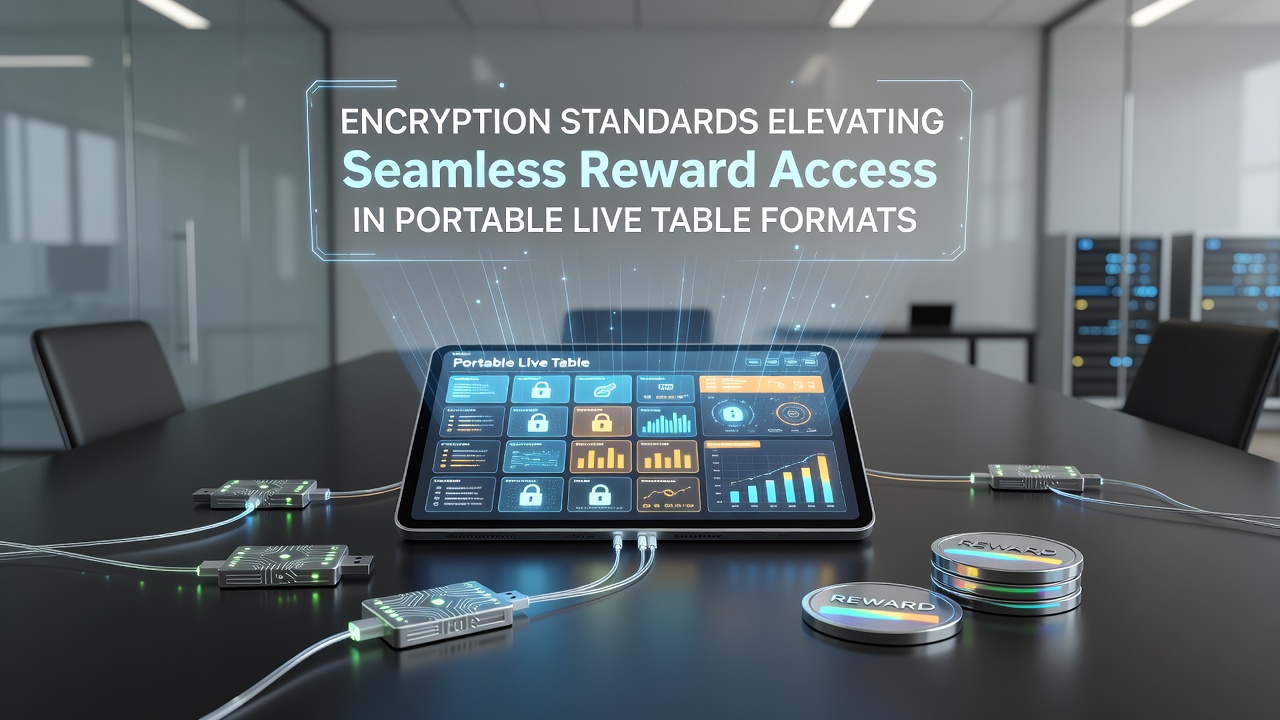
Encryption standards have become central to how mobile platforms handle live table games and reward distribution, especially in environments that prioritize instant access without traditional account setups. These protocols secure data flows between devices and servers while enabling quick bonus activations for players engaging with roulette, blackjack, and baccarat streams on portable hardware.
Developments in cryptographic methods align with broader shifts toward no-registration models, where transaction security must match the speed of gameplay itself. According to reports from the National Institute of Standards and Technology, updated guidelines on AES-256 and TLS 1.3 have influenced how operators structure their mobile live dealer systems since early 2025.
Core Encryption Standards in Mobile Live Table Operations
Advanced encryption layers protect both gameplay data and reward delivery mechanisms in live table environments hosted on smartphones. Standards such as AES-256 encrypt session keys that manage real-time video feeds, while elliptic curve cryptography secures the initial handshake between the player device and the dealer server.
Operators integrate these measures to support seamless reward triggers, where bonuses activate during ongoing table rounds without exposing account details or payment pathways. Research from the European Union Agency for Cybersecurity highlights how post-quantum cryptography pilots began rolling out in select gaming networks by mid-2025, preparing systems for future computational threats.
Device-level security combines with these network protocols to create layered protection. Hardware-backed keystores on modern smartphones store temporary encryption tokens, which reduces latency during live dealer interactions and reward claims.
Integration of Rewards with Secure Data Pathways
Reward systems in portable live table formats now rely on encrypted APIs that verify eligibility and issue credits in milliseconds. These pathways use tokenization to separate player identity from transaction records, allowing instant bonus drops tied directly to table performance metrics.
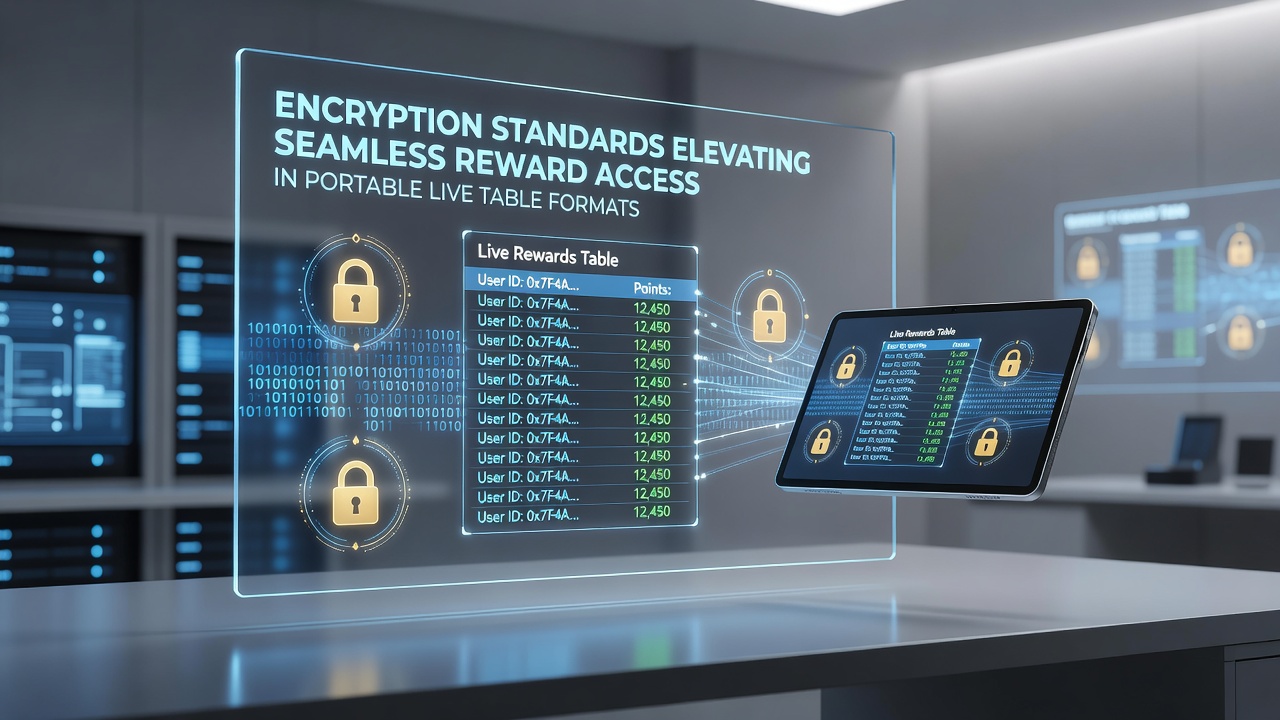
One case examined by analysts at the Alcohol and Gaming Commission of Ontario showed that platforms adopting end-to-end encryption saw reward redemption times drop by measurable margins in controlled testing environments during spring 2026. The same study noted increased player retention when encryption overhead remained below perceptible thresholds.
Live table operators coordinate with payment processors to embed encryption within the reward flow itself. This approach ensures that bonus codes and promotional credits travel through the same secure channels as gameplay data, preventing interception while maintaining the fluid experience users expect in registration-free setups.
Regulatory and Technical Developments Through June 2026
By June 2026, multiple jurisdictions had updated their technical standards to require specific encryption levels for any mobile live gaming product offering real-time rewards. These updates emphasize compatibility with existing TLS frameworks and mandate regular audits of key management practices.
Industry groups such as the International Association of Gaming Regulators have documented how these requirements affect cross-border platform operations. Encryption compliance now forms a baseline for approvals involving live dealer streams delivered to smartphones and tablets.
Technical teams continue testing hybrid models that blend symmetric and asymmetric encryption to balance speed with security in high-volume table environments. Observers note that such combinations allow reward systems to scale without introducing delays during peak evening hours across different time zones.
Impact on Player Experience and Platform Architecture
Encryption advancements have enabled platforms to expand live table offerings while keeping reward access frictionless. Players encounter fewer interruptions when claiming bonuses mid-session because encrypted verification occurs in background processes invisible to the user interface.
Architectural changes include distributed key generation across edge servers closer to end users, which shortens the distance encryption traffic must travel. This setup proves particularly useful for live baccarat and poker variants where timing affects both game outcomes and associated reward triggers.
Data compiled by academic researchers at the University of Nevada, Reno, indicates measurable improvements in session continuity when encryption protocols receive optimized implementation. The findings focus on mobile environments and emphasize measurable reductions in connection drops during extended live table play.
Conclusion
Encryption standards continue shaping how reward access functions within portable live table formats by securing the underlying data exchanges that power instant bonus delivery. As technical requirements evolve through 2026 and beyond, platforms maintain focus on protocols that support both regulatory compliance and uninterrupted gameplay across mobile devices.