Game Supplier Integration Approaches for Speedy Withdrawals in Mobile Slots Lacking User Accounts
Morgan Peters · Aug 13, 2026
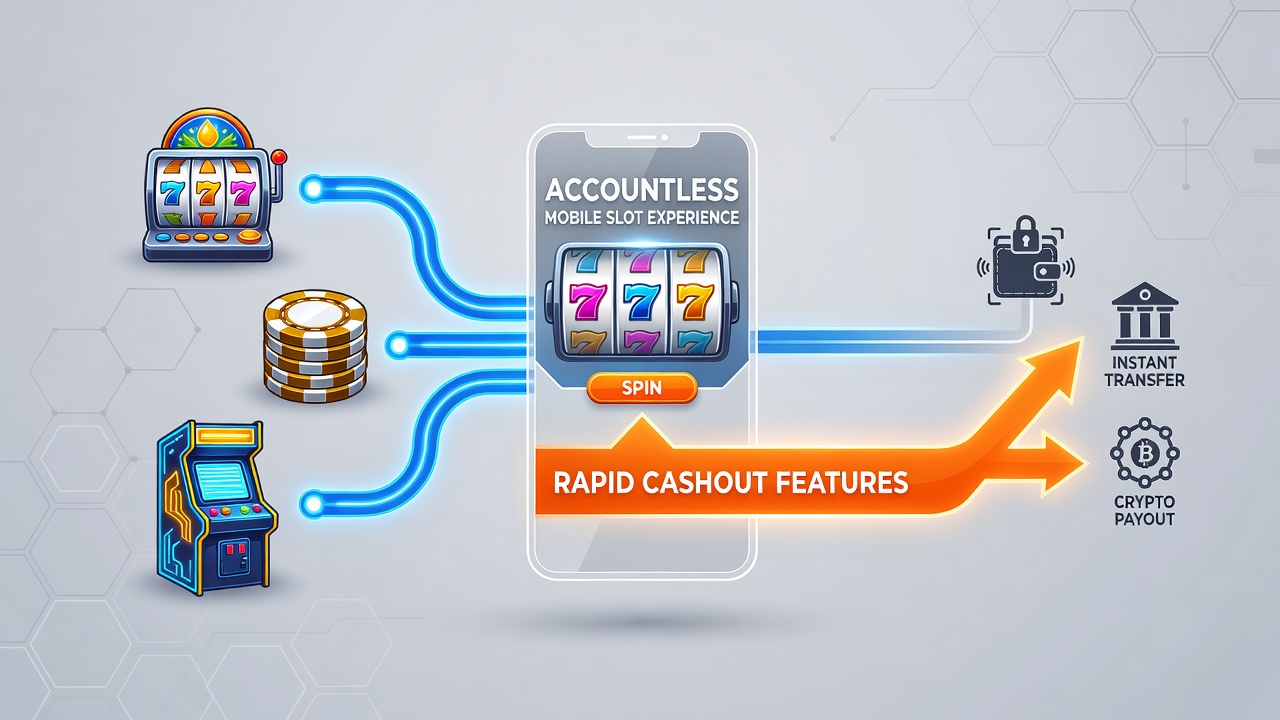
Game Supplier Integration Approaches for Speedy Withdrawals in Mobile Slots Lacking User Accounts
Game suppliers have developed distinct integration patterns that connect directly with payment processors to enable rapid cashouts in accountless mobile slot platforms, and these patterns rely on API handshakes that verify transactions without storing player profiles. Data from industry reports in August 2026 shows increased adoption of modular connector frameworks where suppliers embed payout triggers within game engines themselves, allowing funds to move from slot reels to user wallets in seconds rather than minutes.
Core Technical Patterns Observed Across Suppliers
Suppliers such as those specializing in HTML5 slot titles often use event-driven architectures that trigger cashout sequences upon specific reel outcomes, and this approach pairs with token-based verification systems supplied by third-party payment gateways. Observers note that one common pattern involves embedding lightweight SDKs from processors like Trustly or similar instant banking services straight into the game code, which eliminates separate withdrawal requests and routes winnings through pre-authenticated bank links.
Another pattern centers on real-time ledger synchronization between supplier servers and mobile device caches, while this setup supports offline play sessions that reconcile payouts once connectivity returns. Research indicates these methods reduce latency because game logic and financial logic operate on the same thread rather than through external calls, and August 2026 figures from regional gaming associations reveal adoption rates climbing in markets where no-registration models dominate.
Regional Variations in Implementation
North American suppliers tend to layer compliance checks into the integration layer itself, whereas European providers focus on seamless bank-to-device flows that align with local instant payment rails. Australian operators have tested hybrid patterns that combine supplier APIs with regulatory reporting hooks, and these allow cashouts to complete while automatically logging transaction metadata for oversight bodies. Data shows that suppliers adapting their codebases for multiple regions simultaneously achieve higher deployment speeds when they standardize payout endpoints across different banking networks.
Payment Flow Synchronization Techniques
Integration often follows a three-stage sequence where game suppliers first receive a session token from the payment provider, then validate win amounts against that token, and finally issue a payout instruction that settles directly to the linked account. This sequence avoids database writes on the supplier side because all verification happens at the processor level, and experts have observed reduced error rates when suppliers adopt this token-passing method over traditional account-linked models.
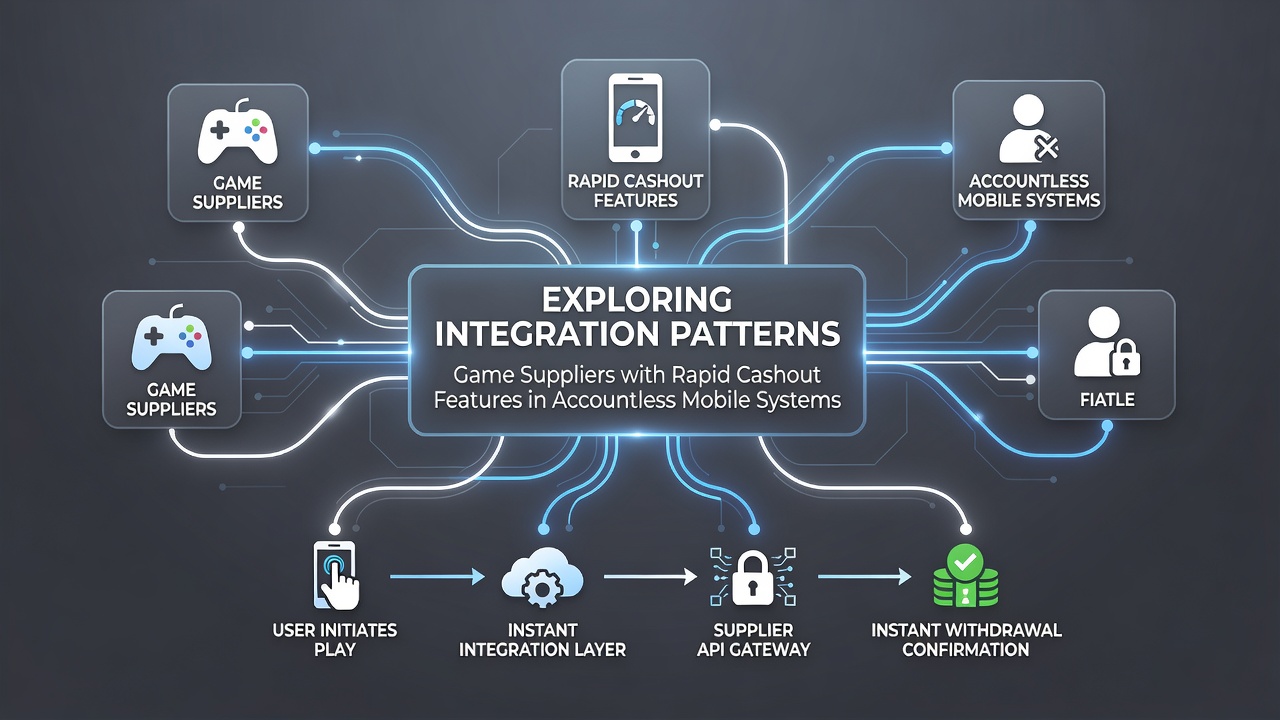
Suppliers also experiment with edge computing nodes placed near mobile network towers to accelerate the final settlement step, and this reduces round-trip times for cashout confirmations. Studies from academic gaming technology centers indicate that such distributed nodes improve reliability during peak usage periods without requiring changes to core game mathematics.
Security and Compliance Integration Layers
Security protocols get woven into the same integration points that handle cashouts, with suppliers incorporating device fingerprinting and behavioral analytics directly into payout authorization calls. Regulatory bodies in Canada and parts of Asia require these checks to occur in real time, and suppliers respond by building modular compliance engines that plug into existing payment flows. Those who've examined supplier roadmaps note that August 2026 updates frequently include enhanced encryption at the SDK level to protect transaction payloads during the brief window between win detection and fund release.
Patterns also emerge around audit trail generation, where suppliers automatically forward anonymized transaction summaries to oversight systems without exposing player identities. This method satisfies reporting obligations while preserving the accountless nature of the experience, and industry organizations tracking these developments report consistent compliance scores when suppliers follow standardized logging templates.
Future Alignment With Emerging Standards
Suppliers continue refining integration patterns to accommodate new mobile operating system restrictions on background processes, and this drives adoption of foreground-only payout confirmations that users trigger with a single tap. Evidence suggests continued growth in these methods as more platforms shift away from stored credentials, and organizations such as the Canadian Gaming Association have documented rising supplier participation in joint technical working groups focused on instant settlement protocols.
Conclusion
Integration patterns between game suppliers and rapid cashout systems in accountless mobile slots demonstrate clear technical evolution toward unified code paths that combine entertainment logic with financial execution. Suppliers that embed these capabilities at the engine level achieve faster transaction times and broader regional compatibility, while ongoing refinements address security, compliance, and network efficiency. Figures compiled through August 2026 confirm sustained momentum in these approaches across multiple markets, pointing to established technical foundations rather than experimental phases.