People Incorporated Advances Bid to Acquire Full Stake in MGM Resorts International
Mara Coleman · Jun 2, 2026

People Incorporated Advances Bid to Acquire Full Stake in MGM Resorts International
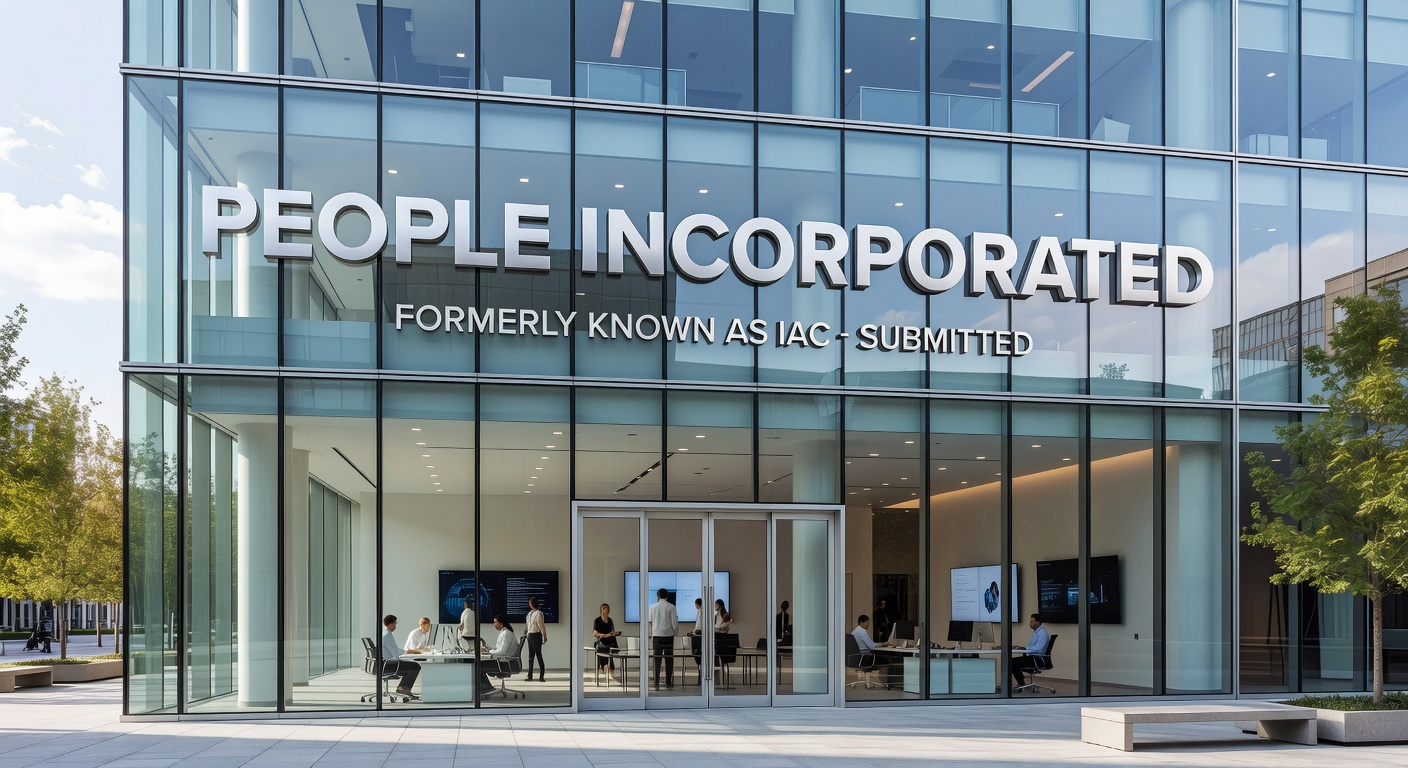
People Incorporated submitted a non-binding proposal in early June 2026 to purchase the remaining shares of MGM Resorts International that it does not already control, and the cash offer stands at US$48.30 per share which values the entire company at approximately US$18 billion while representing a 24.1% premium to the 30-day volume-weighted average price ending May 29, 2026. The move builds on People Incorporated's existing 26.1% ownership stake in MGM Resorts, and acceptance of the proposal would grant the company majority control along with the ability to take MGM private. MGM Resorts confirmed receipt of the offer and indicated that its board will review the proposal alongside financial and legal advisors before determining next steps.
Breakdown of the Acquisition Proposal
The non-binding nature of the submission allows both parties room to negotiate terms, yet the per-share price and total valuation figures provide a clear starting point for discussions that could reshape ownership structures in the casino and hospitality sector. People Incorporated, formerly known as IAC and controlled by media executive Barry Diller, already maintains significant influence through its partial stake, and completing the transaction would consolidate that position into full ownership. Financial calculations embedded in the offer tie directly to recent trading data, and the 24.1% premium reflects an attempt to account for market volatility while offering shareholders an exit opportunity above recent averages.
MGM Resorts has not yet signaled acceptance or rejection, but the company's statement emphasizes a measured review process that includes consultation with external experts who can assess valuation fairness and strategic fit. Regulatory approvals would become necessary if the deal advances, particularly from bodies overseeing gaming licenses in Nevada and other jurisdictions where MGM operates properties. The timeline remains fluid because the proposal carries no binding commitments at this stage, and both companies retain flexibility to adjust conditions or walk away if terms fail to align.
Industry Context and Recent Transactions
This development arrives shortly after Fertitta Entertainment reached a US$17.6 billion agreement to acquire Caesars Entertainment, and the two proposals together highlight continued consolidation activity among major gaming operators. Market observers note that larger entities seek scale advantages through vertical integration and diversified portfolios, while smaller or independent operators face pressure to evaluate partnership or sale options. Data from regional gaming associations shows steady revenue growth in key markets such as Nevada and New Jersey during the first half of 2026, and these trends support valuations that incorporate both current performance and projected recovery in tourism and convention traffic.
Analysts tracking ownership changes point out that Barry Diller's background in media and digital platforms could influence future strategy at MGM if the acquisition succeeds, particularly in areas like online engagement and customer data utilization. Yet any such direction would require approval from gaming regulators who evaluate character and financial suitability before granting control of licensed operations. Historical patterns in the sector demonstrate that similar transactions often involve extended due diligence periods followed by adjustments to purchase prices based on due diligence findings.
Potential Regulatory and Market Considerations
Nevada gaming authorities maintain oversight of major ownership transfers, and similar scrutiny would apply from the New Jersey Division of Gaming Enforcement along with other state commissions where MGM holds licenses. These agencies examine financial stability, compliance history, and business plans before endorsing changes in control, and the process can extend several months. International operators with exposure to MGM properties may also encounter reviews from their home regulators, although the core transaction centers on US assets.
Shareholder reactions will depend on competing offers or alternative strategies that the MGM board might consider during its review period, and institutional investors often compare premiums against sector benchmarks before deciding whether to tender shares. Trading volumes in MGM stock increased following the announcement, and price movements reflected market digestion of the proposed terms relative to the existing partial ownership by People Incorporated.
Conclusion
The proposal from People Incorporated marks a significant step toward potential privatization of MGM Resorts, and the coming weeks will reveal whether the parties reach mutually acceptable terms or pursue alternative paths. Continued monitoring of regulatory filings and corporate disclosures will provide further clarity on timelines and conditions attached to any eventual agreement.