Portable Interfaces in Gaming: Real-Time Connections Between Secure Transactions and Reward Systems for Live Tables and Slots
Mara Coleman · Aug 25, 2026
Portable Interfaces in Gaming: Real-Time Connections Between Secure Transactions and Reward Systems for Live Tables and Slots
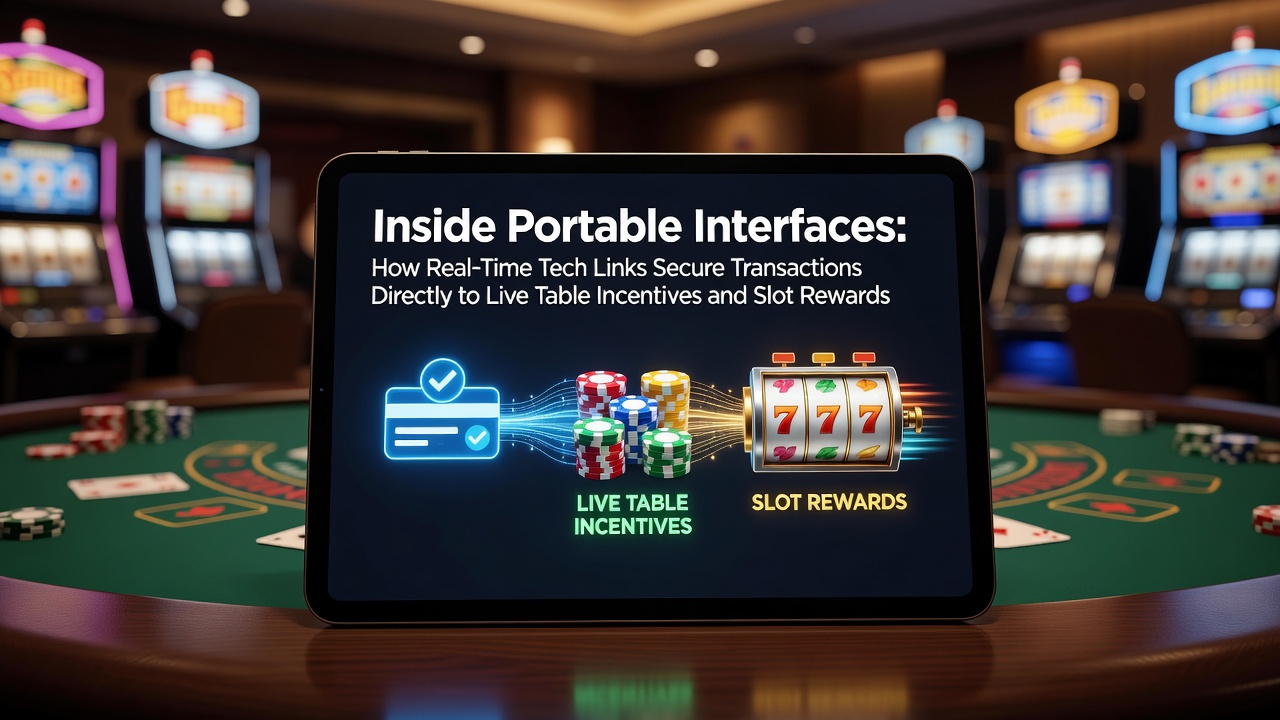
Portable interfaces have evolved to handle direct connections between secure payment processing and reward activation in live table games along with slot environments, and this integration relies on real-time data exchanges that update player balances without delays. Systems process transactions through encrypted channels while simultaneously triggering incentives such as bonus credits or multiplier effects on tables and reels, and developers achieve this by embedding application programming interfaces that sync payment confirmations with game servers in milliseconds.
Core Technology Behind the Links
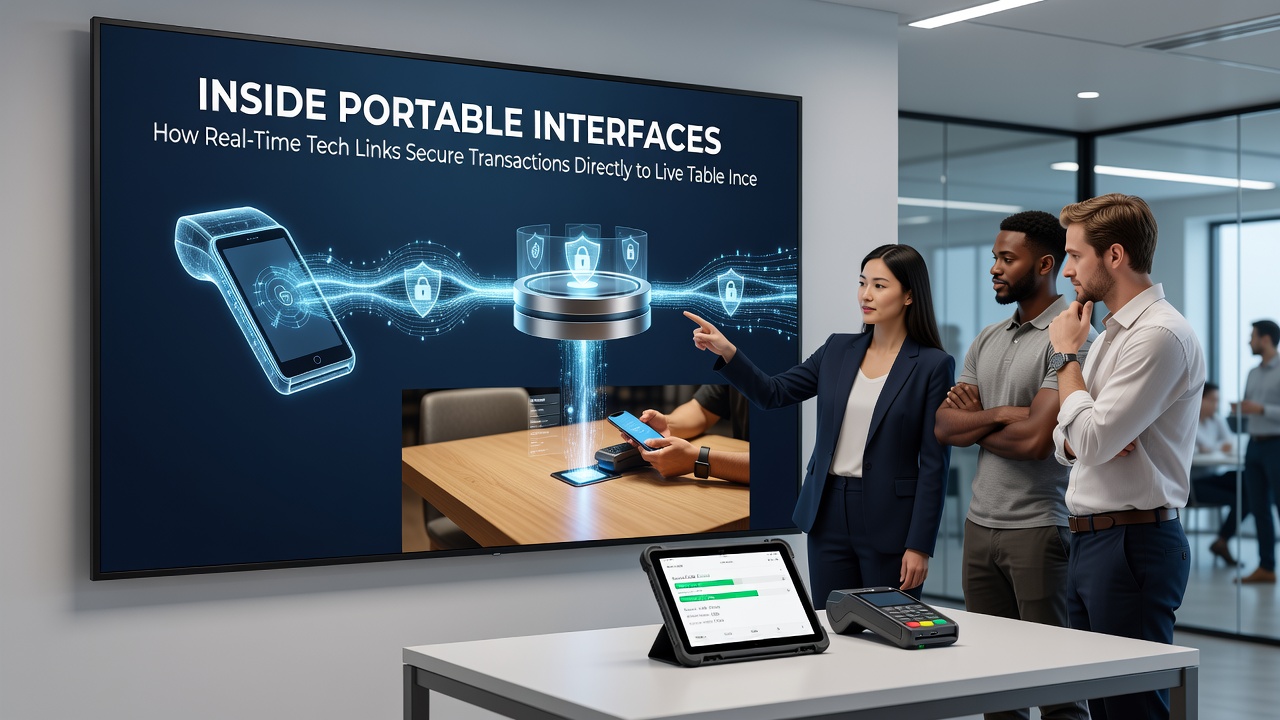
Real-time technology operates through layered protocols that verify funds and apply rewards at the same moment, which means users see updated balances and active promotions appear instantly on their devices. Engineers design these platforms to monitor transaction streams continuously, and when a deposit clears the system pushes corresponding incentives to live dealer sessions or slot machines without separate manual steps. Data from industry reports shows that such synchronization reduces processing times from several seconds down to under one second in optimized setups, and this speed matters because live tables require immediate responses to maintain game flow.
Encryption standards protect each step of the process while allowing the reward engines to access verified transaction details, and observers note that providers often combine secure socket layers with tokenization methods to keep sensitive information isolated from game logic. In August 2026 several platforms reported expanded use of these combined security measures across mobile networks, which helped maintain compliance with regional gaming standards in multiple jurisdictions.
Integration with Live Table Incentives
Live table environments benefit when transaction data flows directly into incentive programs, because dealers and automated systems can apply perks such as insurance bets or side wager bonuses based on recent activity. The technology tracks player deposits in real time and matches them against predefined reward rules, and this matching occurs through backend scripts that communicate with both the payment gateway and the table management software. Researchers at the University of Nevada Reno documented similar patterns in a 2025 study on mobile gaming infrastructure, where linked systems increased the frequency of reward redemptions during live sessions.
One example involves platforms that credit loyalty points immediately after a successful card authorization, and those points then convert into table-specific advantages visible on the player interface within the same hand or round. Such connections rely on low-latency networks that prioritize gaming traffic, and network operators have adjusted routing priorities to support these demands without packet loss.
Slot Reward Activation Through the Same Channels
Slot machines on portable devices receive parallel treatment where transaction confirmations trigger reel modifiers or free spin allocations without interrupting spin sequences. The same real-time pipelines feed data to both table and slot modules, and this shared architecture allows unified reward pools that draw from a central transaction ledger. Figures from the Nevada Gaming Control Board indicate that mobile slot sessions accounted for over 40 percent of incentive redemptions tracked in the first half of 2026, and much of that activity stemmed from automated links between deposits and bonus features.
Developers implement event-driven architectures that listen for payment events and then publish reward actions to connected game clients, and this publish-subscribe model keeps the interfaces responsive across varying network conditions. When a slot player completes a deposit the system can apply a progressive multiplier to the next sequence of spins, and the change registers on the display before the reels stop from the prior spin.
Security Measures Supporting Continuous Operation
Security protocols maintain integrity across the transaction-to-reward pathway by isolating each component behind separate authentication layers, and this separation prevents a single breach from affecting both payment records and game outcomes. Regular audits examine the data flows between these layers, and findings from the Canadian Gaming Association highlight that platforms using segmented architectures experienced fewer incidents of reward manipulation in recent testing cycles. Portable interfaces incorporate device-level checks such as biometric verification before allowing reward claims, and these checks run in parallel with transaction processing to avoid added latency.
Updates rolled out in August 2026 strengthened token expiration rules on several major networks, which further tightened the window during which a verified transaction could activate an incentive. Such refinements demonstrate how ongoing protocol adjustments keep the real-time connections reliable while meeting evolving regulatory expectations across different regions.
Conclusion
Portable interfaces continue to refine the direct pathways that connect secure transactions with live table incentives and slot rewards through coordinated real-time systems, and these pathways depend on integrated protocols that handle verification and reward distribution simultaneously. Evidence from regulatory reports and academic reviews shows steady expansion of these capabilities into 2026, particularly in mobile environments where speed and security must coexist. The architecture supports consistent player experiences by keeping transaction confirmations and reward activations aligned without manual intervention, and this alignment reflects broader industry shifts toward automated, device-native gaming solutions.