Studio Partnerships Revolutionizing Security Protocols for Mobile Live Dealer Games Without Accounts
Morgan Peters · Jul 30, 2026
Studio Partnerships Revolutionizing Security Protocols for Mobile Live Dealer Games Without Accounts
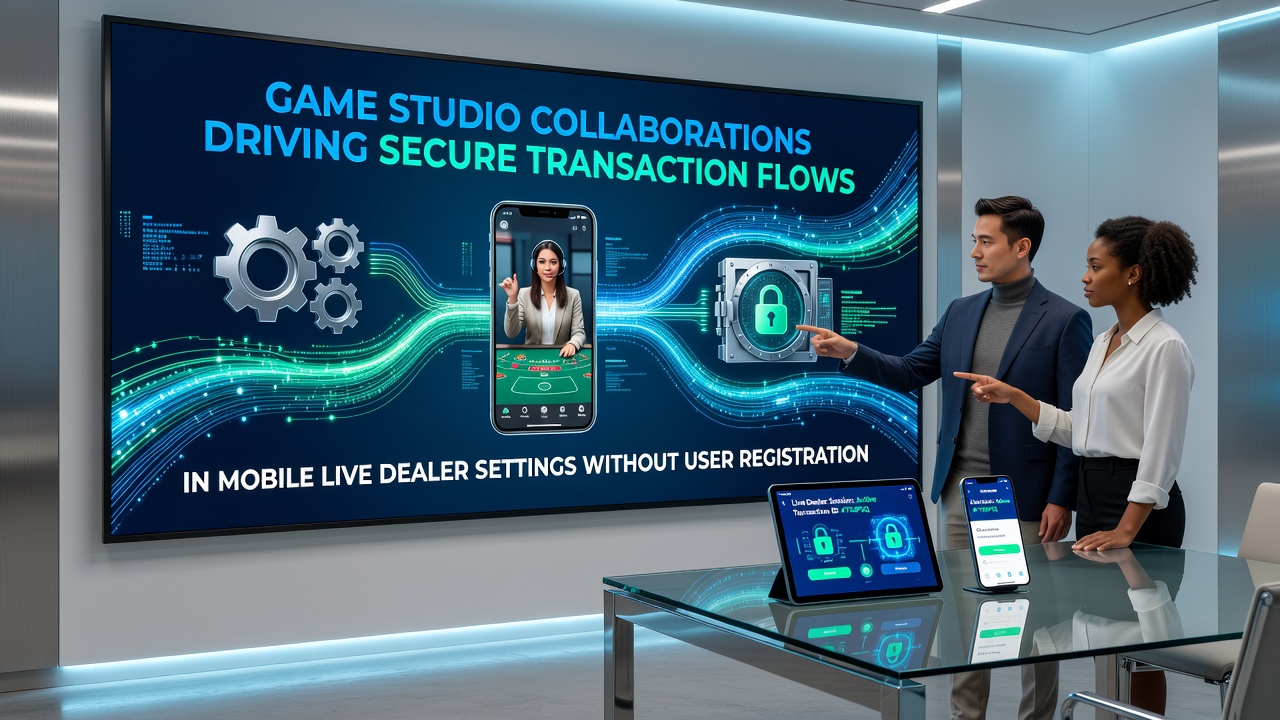
Game studios have formed targeted partnerships that integrate advanced encryption layers directly into transaction pipelines for mobile live dealer environments operating without user registration requirements. These alliances combine expertise from multiple developers to create unified systems where payment data flows through shared verification nodes that confirm transactions in real time while maintaining player anonymity throughout the session. Data from industry reports indicates that such collaborations have increased adoption rates of registration-free formats across several European markets by the end of 2025, with further expansions noted into 2026.
Key Mechanisms in Collaborative Security Frameworks
Developers coordinate on multi-factor tokenization methods that replace traditional account-based logins with session-specific identifiers generated at the point of deposit. One partnership involving three major studios implemented a distributed ledger approach that logs each transaction across independent nodes, reducing single-point vulnerabilities and allowing instant reconciliation for live table games played on smartphones. Observers note that this setup supports continuous play in blackjack and roulette streams without interrupting the dealer interaction for identity checks.
Integration of Payment and Gaming Layers
Studios align their application programming interfaces to embed compliance checks within the game engine itself, so transaction authorization occurs simultaneously with bet placement. Figures from regulatory filings reveal that platforms using these merged systems processed over 2.3 million transactions monthly in select regions during the first half of 2026. The approach eliminates separate payment gateways and instead routes funds through encrypted channels that update dealer interfaces without exposing user details.
Regional Developments and Adoption Patterns
Markets in North America and Asia have seen staggered rollouts tied to these studio collaborations, with several titles launching in July 2026 that feature cross-studio security modules. Canadian provincial regulators documented a 34 percent rise in mobile live dealer activity following the introduction of one such integrated platform, while similar patterns emerged in Australian jurisdictions where transaction speed metrics improved measurably. Industry associations tracking these shifts highlight how shared technology stacks allow smaller developers to leverage larger partners' infrastructure for compliance with varying local standards.
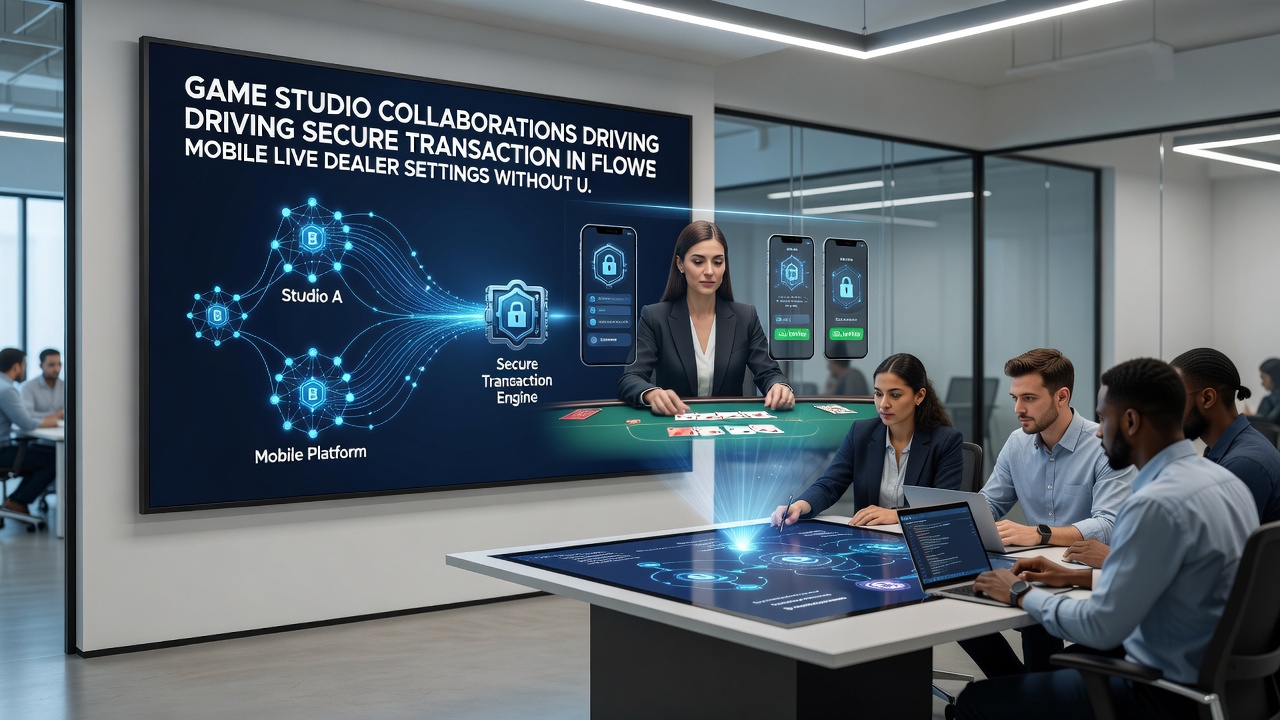
Research from academic sources, including a 2025 paper issued by the University of Nevada Reno's gaming innovation lab, examined how these partnerships reduce latency between deposit confirmation and table access to under three seconds on average. The study analyzed transaction logs from multiple operators and found consistent performance across different device types when studios jointly optimized the underlying protocols.
Technical Standards Emerging from Alliances
Joint working groups established by leading developers have published voluntary guidelines covering data segmentation and real-time monitoring for live dealer streams. These standards specify how biometric signals from mobile devices can serve as transient authenticators without storing persistent profiles. A report published by the Malta Gaming Authority in early 2026 referenced several implementations that meet or exceed these benchmarks, noting reduced incident rates for unauthorized access attempts in registration-free settings.
Yet the same report also pointed to ongoing adjustments needed for cross-border data flows, where differing encryption requirements between regions demand flexible protocol layers. Studios respond by maintaining modular codebases that swap security components based on player location detected at session start.
Future Trajectory Through Continued Cooperation
Additional alliances formed in the second quarter of 2026 focus on incorporating quantum-resistant algorithms into the transaction backbone to prepare for evolving computational threats. These projects combine resources from four studios operating across three continents, with pilot deployments scheduled for late summer. Data shared among participants shows preliminary test results maintaining sub-second processing times even with the added computational overhead.
Conclusion
Studio collaborations continue to shape the infrastructure supporting secure, registration-free mobile live dealer experiences by pooling specialized knowledge in encryption, payment routing, and compliance integration. The patterns observed through mid-2026 suggest sustained momentum as more developers join existing frameworks or initiate new ones tailored to emerging regulatory landscapes.